

Category: Seamanship
-

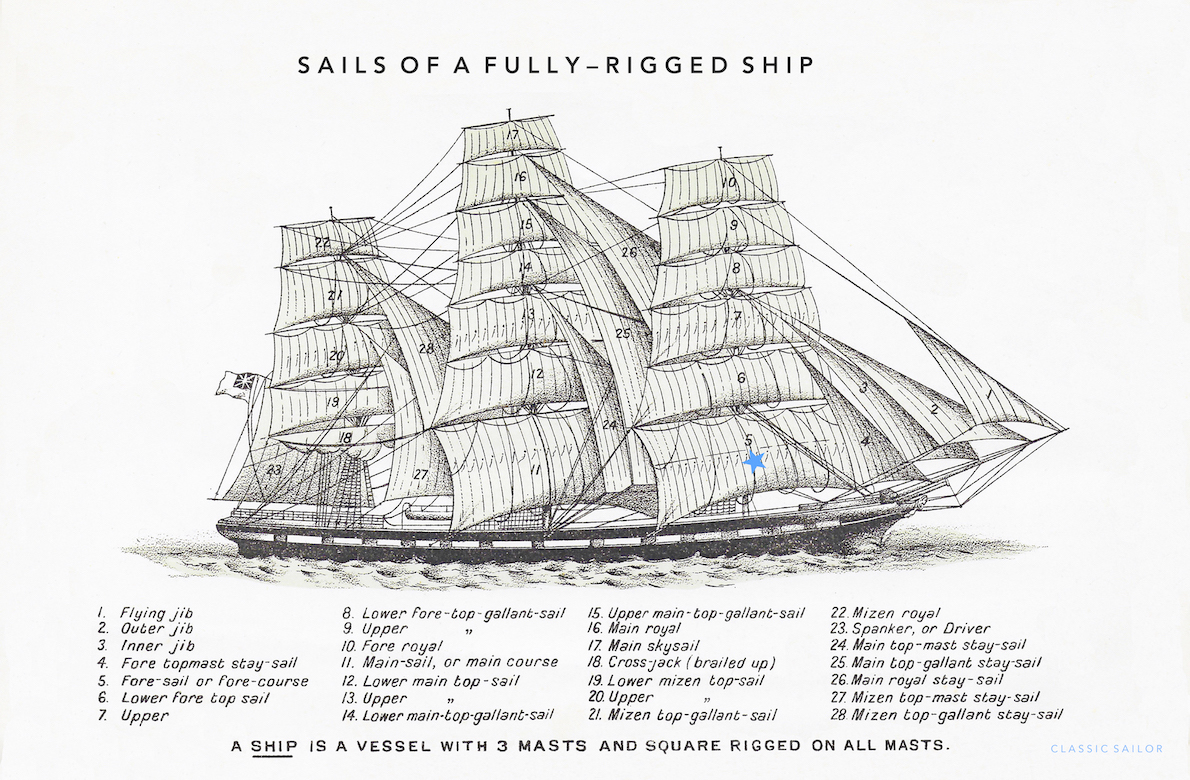
The Fully-Rigged Ship
The full-rigged or fully-rigged ship was an excellent example of early industrial standardisation, writes Dan Houston. With the trade of the sailor being international there was a need to rig ships in the same way,… […]
-
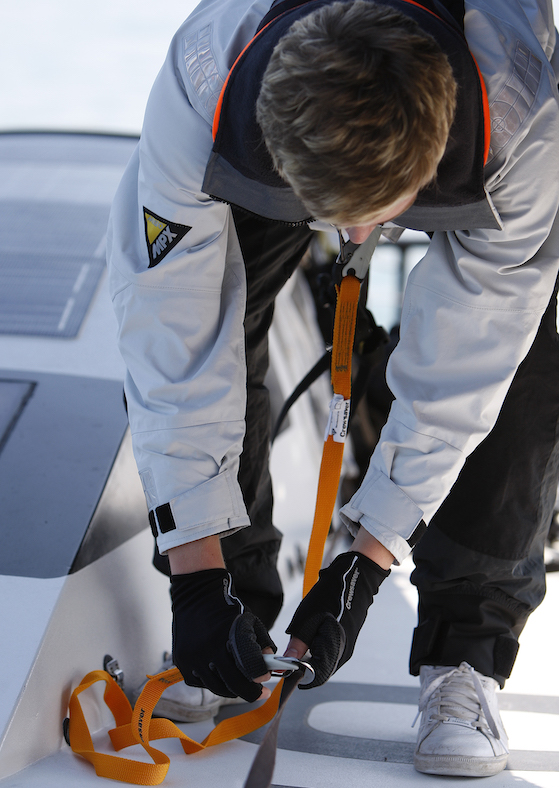
Clip on with care
New RYA video advises boaters on how to attach safety lines and the best equipment to use You wouldn’t drive, take a plane journey or tear around a roller coaster ride without being properly strapped… […]
-
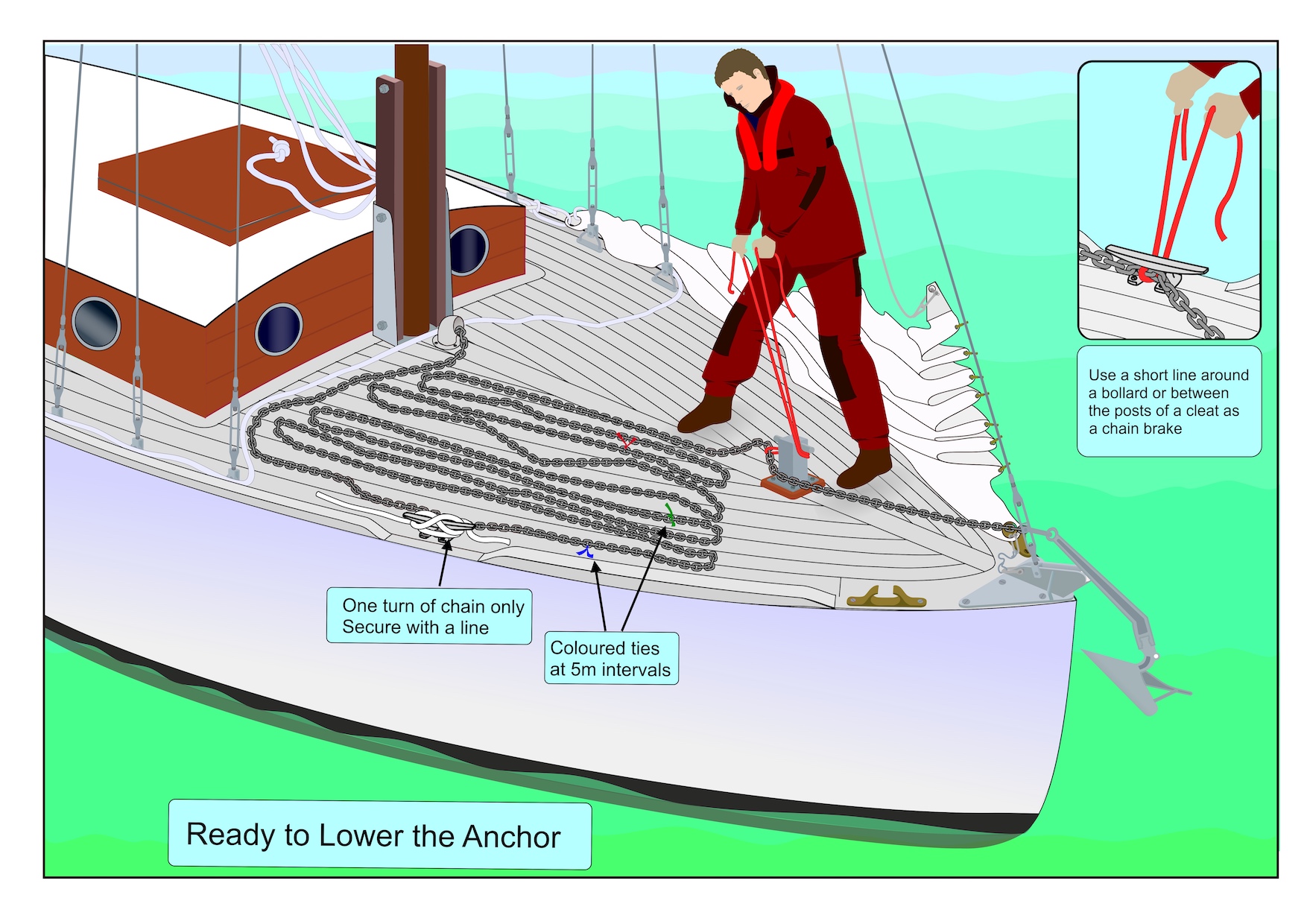
Anchoring Under Sail
It’s something we should all practice – just in case the engine does not start. So how do we prepare to anchor under sail? By Trevor David Clifton Rolling white horses were thumping into the… […]
-
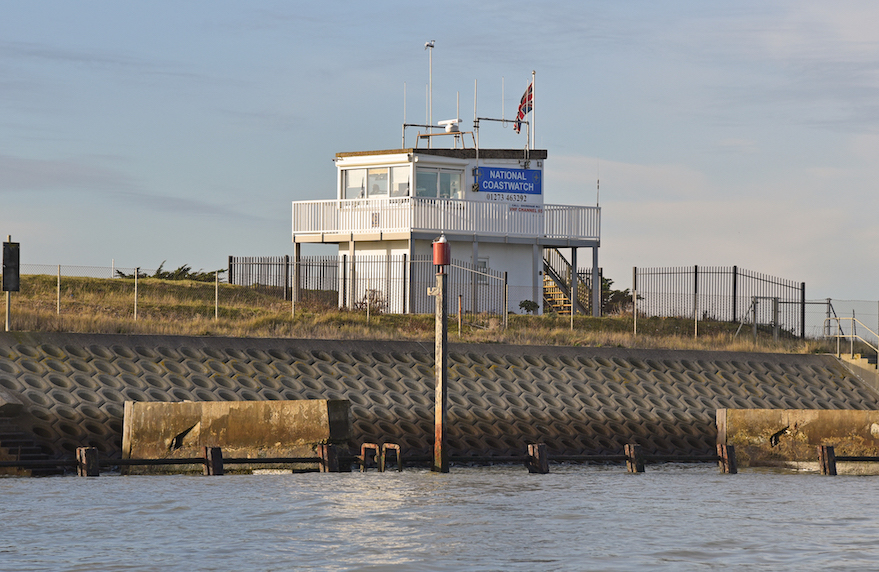
Use Coastwatch to check your AIS
The Cruising Association (CA) Regulations and Technical Services Group (RATS) has come across the use of National Coastwatch Institution (NCI) stations to check AIS ( Automatic Identification System) transmissions. This seems to us to be… […]
-
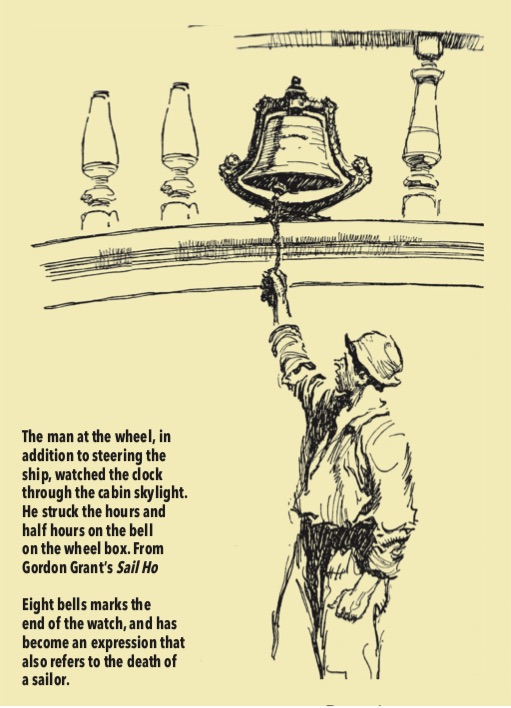
The ship’s bell
The ringing of the ship’s bell was an integral part of life at sea for sailors both as a time keeper and warning signal. Still is, for some. Bells have been used on ships since… […]
-
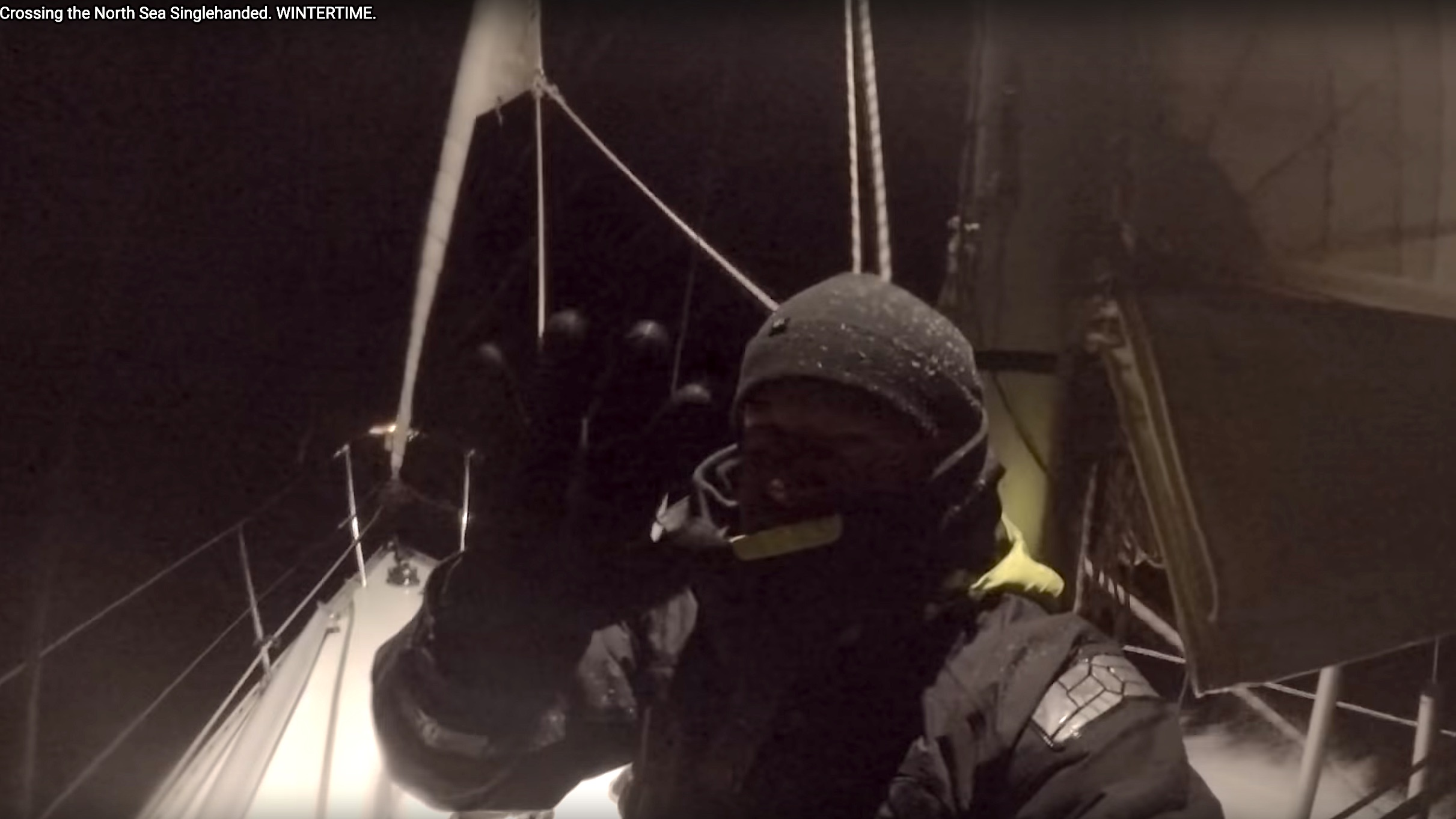
Sailing to a Viking festival across the North Sea in January
Inspirational winter passage by Erik Aanderaa, a true latter-day Viking, sailing his Contessa 35 Tessie from Haugasund in Norway to the three-day Up Helly Aa winter Viking festival at Lerwick in Shetland (in 30 hrs!)… […]
-
Using a Breton Plotter
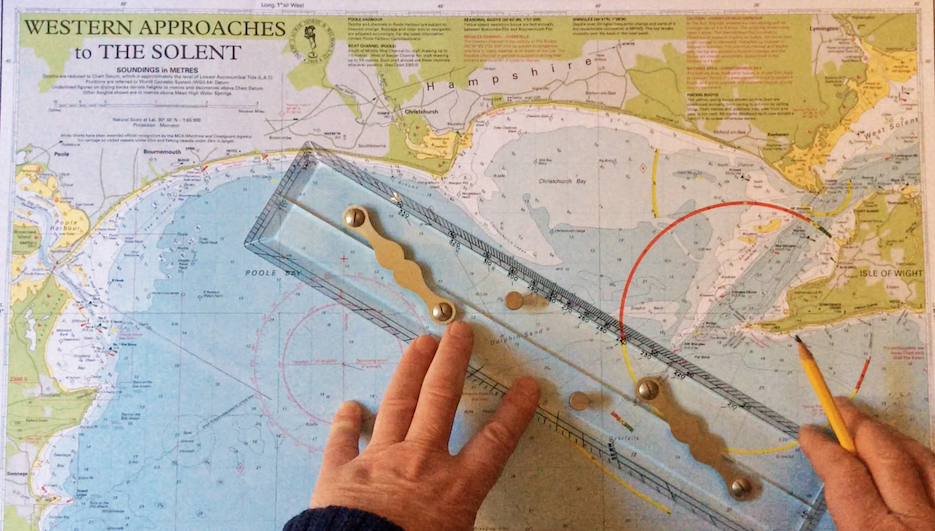
Navigation Refresher The Breton Plotter – sometimes called a Portland Course Plotter – consolidates parallel rules, a protractor and the compass rose into a handy chartwork instrument that is the simplest tool for the… […]
-
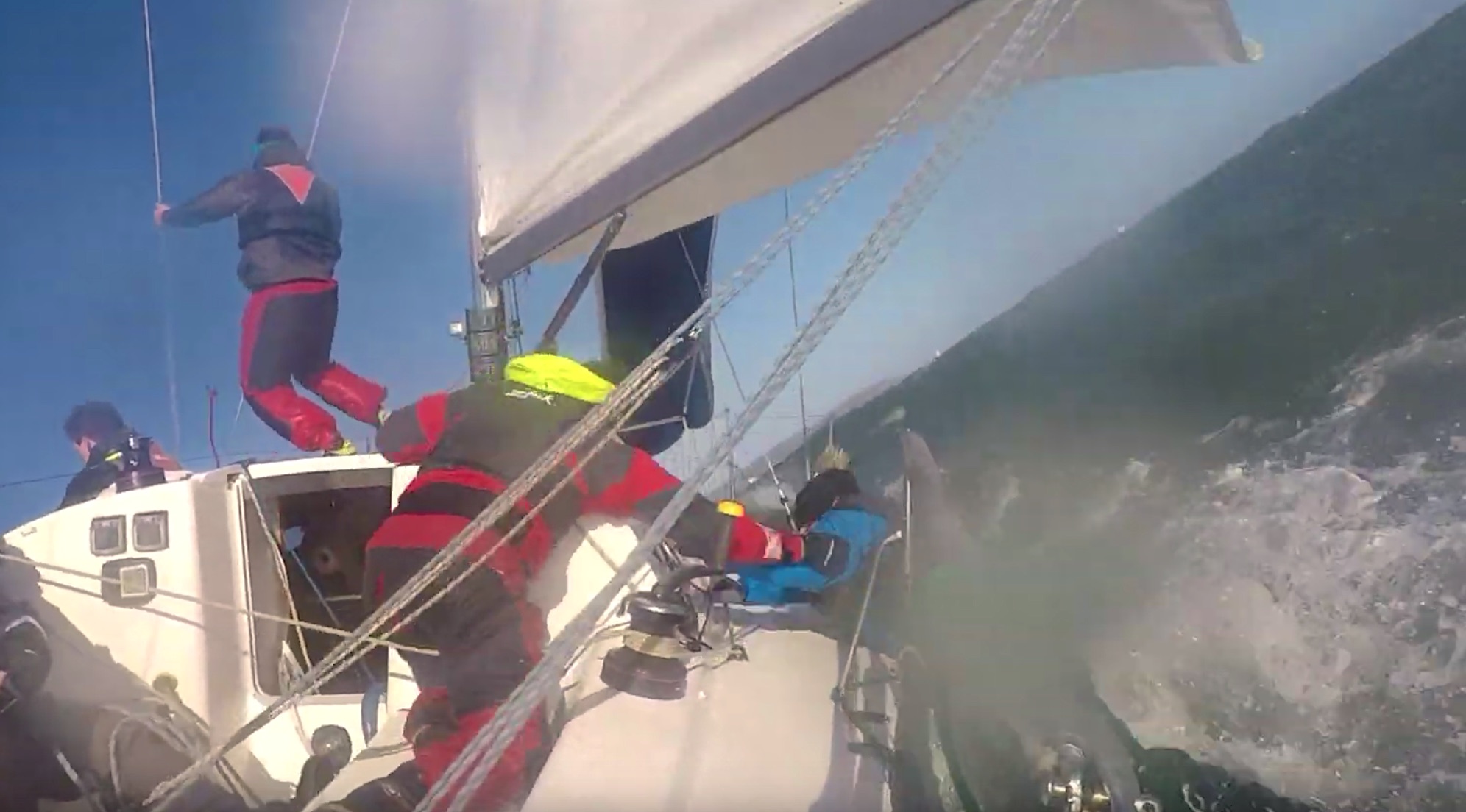
Man overboard on a cold January morning
It’s not often a man overboard situation is caught on camera(s) but the crew of the J97 Windjammer can be seen in this video dealing with the potentially dangerous incident when a female crew slips… […]
-
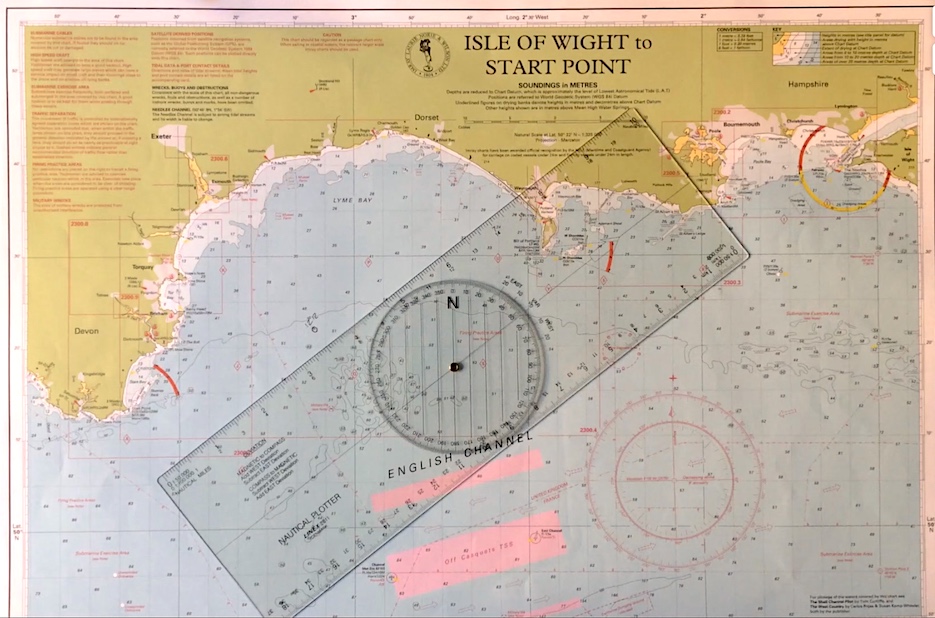
Using parallel rules
Chartwork Refresher Parallel rulers were first developed in the 16th century but not adopted by navigators much before the 1700s. They work with the compass rose on the chart to transfer any angle –… […]
One response