

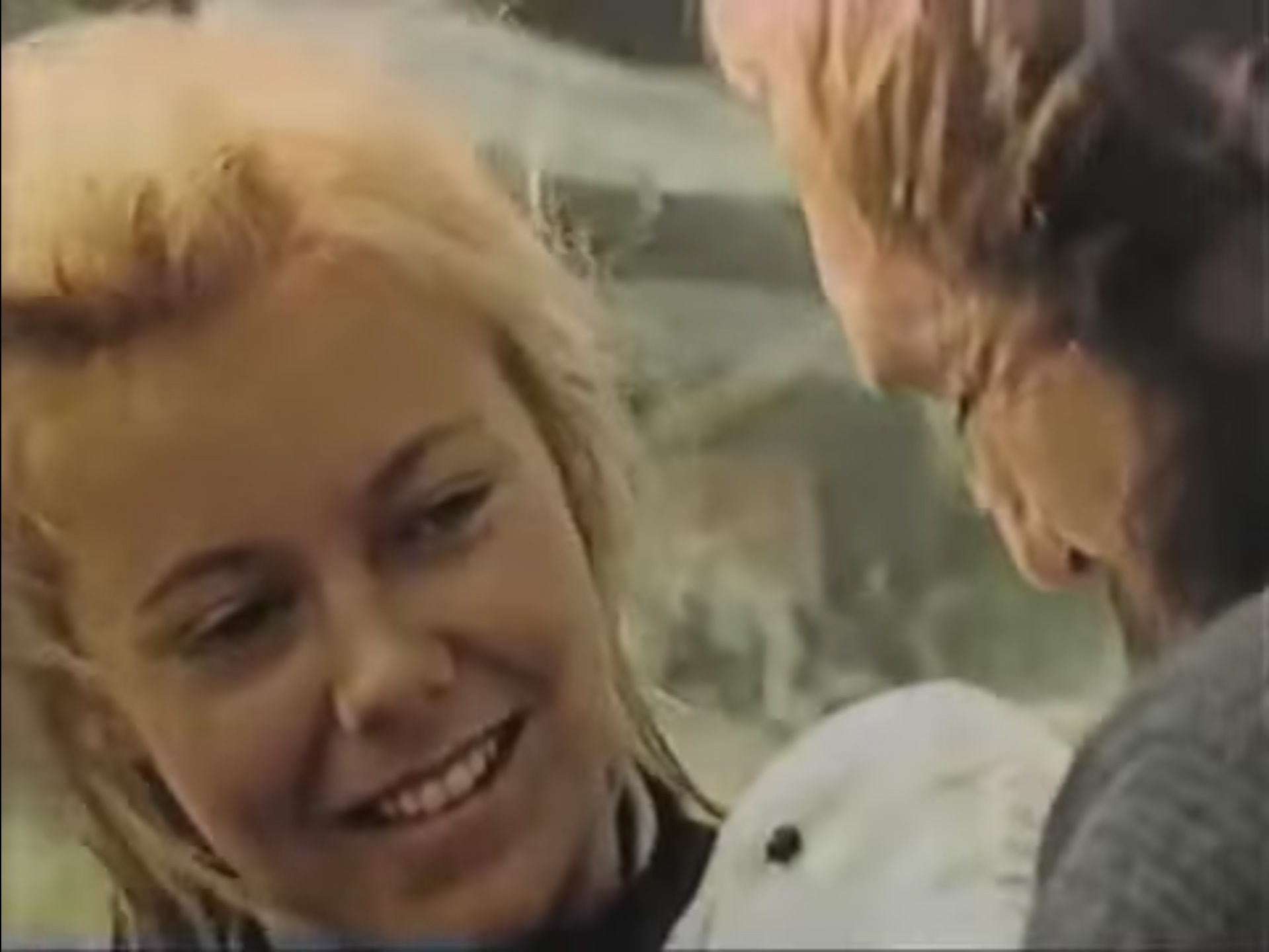
1971 Dir Patrick Garland 50 minutes
Based on a short story and then the novel by Paul Gallico, in 1941, this classic film, directed by Patrick Garland, is a gentle, if sentimental, love story of a reclusive crippled artist (Richard Harris) who rescues a Canadian snow goose with the help of a local girl (played by an 18 year old Jenny Agutter) against the 1930s backdrop of a coming war.
The film has strong ecological messages and is about the regenerative power of love over violence. The goose, shot in the first minutes of the film, recovers through the tender care of girl and artist to the point where it chooses to stay as a “pet”.

The wisdom of natural law, guardianship of that nature and the “utter contempt” of war are all imparted with scenes of sailing in this beautiful area.
The artist lives in an abandoned lighthouse (built as a temporary structure on top of a Second World War pillbox at the end of Island Lane in Kirby-le-Soken, Essex) and the film was shot on the Essex marshes around Walton-on-the-Naze, Horsey Island and Beaumont Cut – with the wreck of the 1880 Howard-built barge the Rose of Maldon, with parts filmed around Osea Island and the Blackwater.
The girl comes of age and against her pleas to stay the artist takes his boat to Dunkirk to rescue soldiers from the beaches (along with the Snowgoose).
It’s unsurprising that the end is a sad one but it empowers the story (and film) all the more as Agutter shines at her stunning English girlish best and Harris portrays the artist’s alternate frustrations and joys with equal brilliant measure. Agutter won an Emmy Award for Outstanding Supporting Actress in a Drama, for her work on this film.
With music by Carl Davis and paintings by Peter Scott this is a film to return to – plus there are some great scenes with Thames Sailing Barges. The final scenes – where the Little Ships were heading out to Dunkirk, used genuine vessels which had taken part in the evacuation in May-June 1940. The production team contacted original owners to ensure the boats looked exactly as they did during the war. This historical accuracy gave the climax a visceral power that moved millions of viewers and turned the broadcast into a definitive cultural event of the early 1970s.
DVDs can be found on ebay and there are a couple of versions on Youtube which are low res if watched on a large screen; sound quality is fair. DMH
Here’s a link:
